Cook With the Calendar
Know What’s Growing Now
Build a Seasonal Baseline Pantry
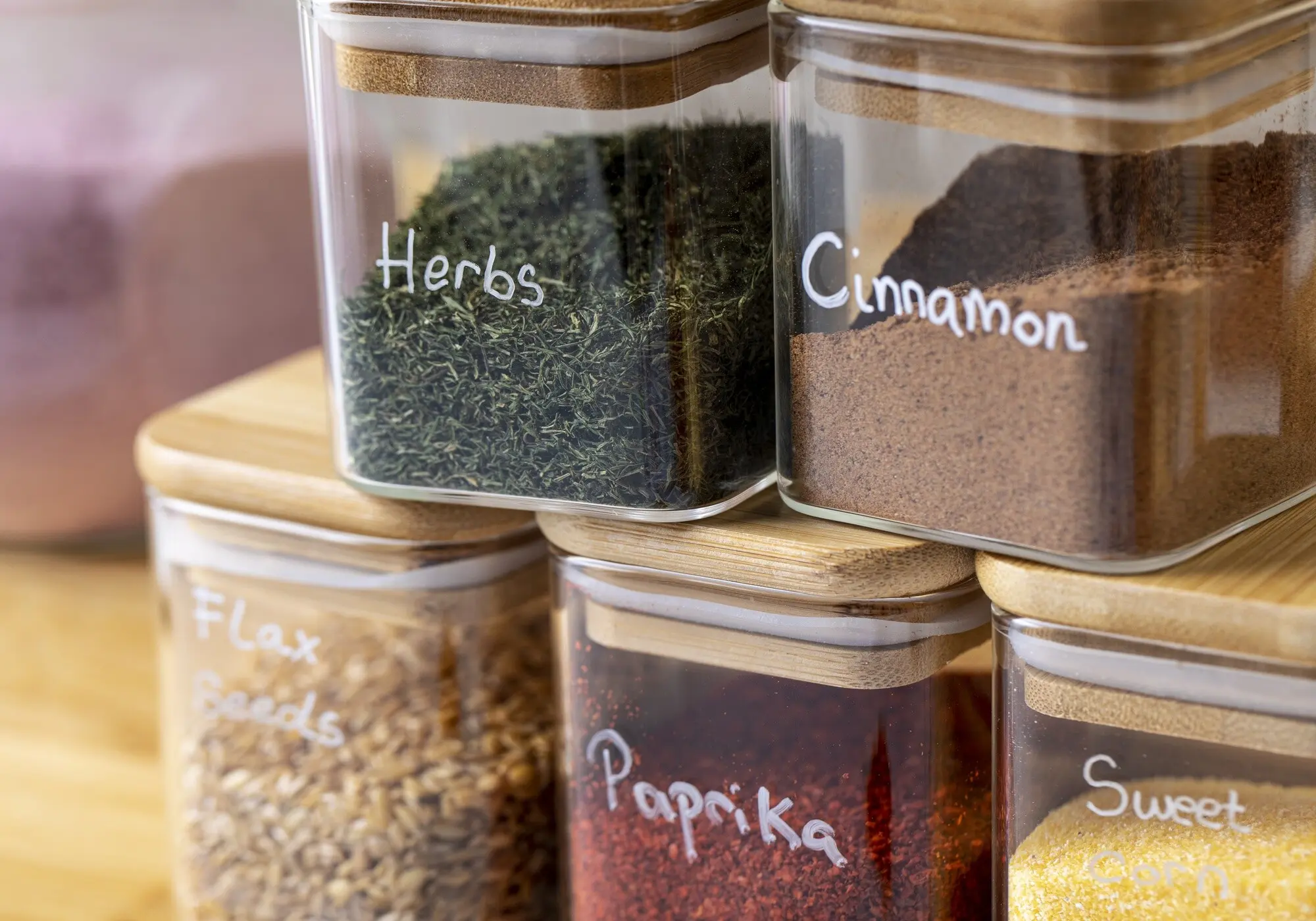
Keep flexible staples that welcome whatever the market offers: versatile grains, hearty legumes, broths, vinegars, good oils, nuts, seeds, and a few reliable canned items for true off-seasons. With that base, asparagus becomes risotto, tomatoes crown couscous, and winter squash fills tacos without emergency runs. Your pantry supports the produce, never forces it, making quick pivots easy when a neighbor hands you extra zucchini or the farm stand surprises you with baby leeks.
Rotate Proteins Around Peak Harvests
Let the vegetables lead and rotate proteins to complement them. When tomatoes peak, marinate chicken with herbs and char over high heat; during mushroom abundance, lean on eggs and umami-forward tofu; with winter roots, slow-cooked beans feel right. This approach respects budget and nutrition, trims indecision, and keeps plates balanced. You’ll notice how lightly seasoned proteins shine alongside unforgettable seasonal sides, turning ordinary weeknights into quiet celebrations of timing and texture.
Plan From the Market Backward
Instead of writing recipes first and hunting ingredients later, browse the market early, then finalize the week’s plan. A crate of ruby plums suggests oatmeal compote and a soy-ginger stir-fry; a deal on kale invites hearty salads and a frittata. This reverse engineering curbs impulse buys while keeping discovery alive. It also honors price swings, rewarding you with freshness, flavor, and affordability, plus the serene feeling of menus that come together almost by themselves.
Shop Smarter From Farmstand to Aisle
Prep Methods That Match the Weather
Store Like a Produce Whisperer

Flavor First: Swaps, Sauces, and Textures
Routines, Notes, and Community
A Five-Minute Seasonal Planning Ritual
On Friday, check market notes, weather, and store flyers; pick two anchor produce items and three flexible meals. Saturday, shop early for selection or late for bargains. Sunday, wash, chop, roast, and portion briefly. Keep a simple calendar noting prices, ripeness, and winners. Over time, patterns appear—strawberries whisper in May, squash bellows in October—and planning shrinks to minutes, freeing energy for cooking, resting, and actually enjoying what you brought home.
Batch Nights Everyone Looks Forward To
Turn prep into a small event with music, shared tasks, and predictable rewards. Kids can pluck herb leaves, someone labels containers, another portion-cooks grains. Rotate roles so no one burns out. End with a quick family tasting—two dips, roasted veg, a fresh dressing—then pack tomorrow’s lunches. This rhythm builds confidence, trims takeout, and creates a calm baseline for messy weeks, proving that a little structure can feel surprisingly warm, flexible, and fun.
Share, Learn, and Keep In Touch
Tell us your favorite seasonal swap, the vendor who taught you a secret, or the sauce you can make with eyes closed. Comment with a photo of this week’s market win, subscribe for quick checklists, and vote in our monthly poll. We’ll feature reader menus and practical fixes, celebrating real kitchens. Your voice helps others try one new habit, and together we make seasonal cooking approachable, joyful, and genuinely sustainable all year long.
All Rights Reserved.