Cook With the Calendar

Today we’re exploring how to adapt meal prep and grocery habits to seasonal produce, turning the harvest calendar into your weekly planning ally. By syncing shopping lists, batch-cooking routines, and storage strategies with what’s freshest, you’ll save money, reduce waste, and unlock bigger flavor. Expect inspiring market anecdotes, practical checklists disguised as stories, and friendly nudges to try one small shift this week that makes dinners calmer, brighter, and genuinely easier.

Know What’s Growing Now

Build a Seasonal Baseline Pantry

Keep flexible staples that welcome whatever the market offers: versatile grains, hearty legumes, broths, vinegars, good oils, nuts, seeds, and a few reliable canned items for true off-seasons. With that base, asparagus becomes risotto, tomatoes crown couscous, and winter squash fills tacos without emergency runs. Your pantry supports the produce, never forces it, making quick pivots easy when a neighbor hands you extra zucchini or the farm stand surprises you with baby leeks.

Rotate Proteins Around Peak Harvests

Let the vegetables lead and rotate proteins to complement them. When tomatoes peak, marinate chicken with herbs and char over high heat; during mushroom abundance, lean on eggs and umami-forward tofu; with winter roots, slow-cooked beans feel right. This approach respects budget and nutrition, trims indecision, and keeps plates balanced. You’ll notice how lightly seasoned proteins shine alongside unforgettable seasonal sides, turning ordinary weeknights into quiet celebrations of timing and texture.

Plan From the Market Backward

Instead of writing recipes first and hunting ingredients later, browse the market early, then finalize the week’s plan. A crate of ruby plums suggests oatmeal compote and a soy-ginger stir-fry; a deal on kale invites hearty salads and a frittata. This reverse engineering curbs impulse buys while keeping discovery alive. It also honors price swings, rewarding you with freshness, flavor, and affordability, plus the serene feeling of menus that come together almost by themselves.

Shop Smarter From Farmstand to Aisle

Whether strolling a farmers’ market, picking up a CSA box, or navigating supermarket aisles, clarity matters. Ask growers how they cook their harvest, scan signs for varieties, and compare unit prices without getting distracted by packaging. Freshness cues, bulk opportunities, and thoughtful substitutions help align cost with quality. A ten-minute conversation with a vendor often teaches more than hours online, and a simple, flexible list protects your time, palate, and wallet in equal measure.

Prep Methods That Match the Weather

Cooking styles feel better when they rhyme with the season. In spring, quick heat keeps greens lively; in summer, cool dishes save energy and preserve crunch; in fall, roasting deepens sweetness; in winter, braises and soups comfort and simplify. Aligning prep with weather reduces burnout and creates rhythm. You’ll naturally gather simple techniques that repeat effortlessly, so weeknights become calmer patterns where ingredients, not complicated steps, deliver satisfying, vibrant, and truly seasonal plates.

Store Like a Produce Whisperer

Great storage turns good shopping into great meals. Temperature, airflow, humidity, and timing matter more than fancy containers. Learn which items enjoy high-humidity drawers and which prefer drier spots; separate ethylene-producers from delicate greens; keep herbs upright and hydrated. Wash strategically, dry thoroughly, and label simply. Small habits—towel-lined boxes, vented lids, or paper-wrapped mushrooms—extend life dramatically. You’ll start opening the fridge to crisp, ready-to-cook inspiration instead of wilted guilt and forgotten intentions.

Flavor First: Swaps, Sauces, and Textures
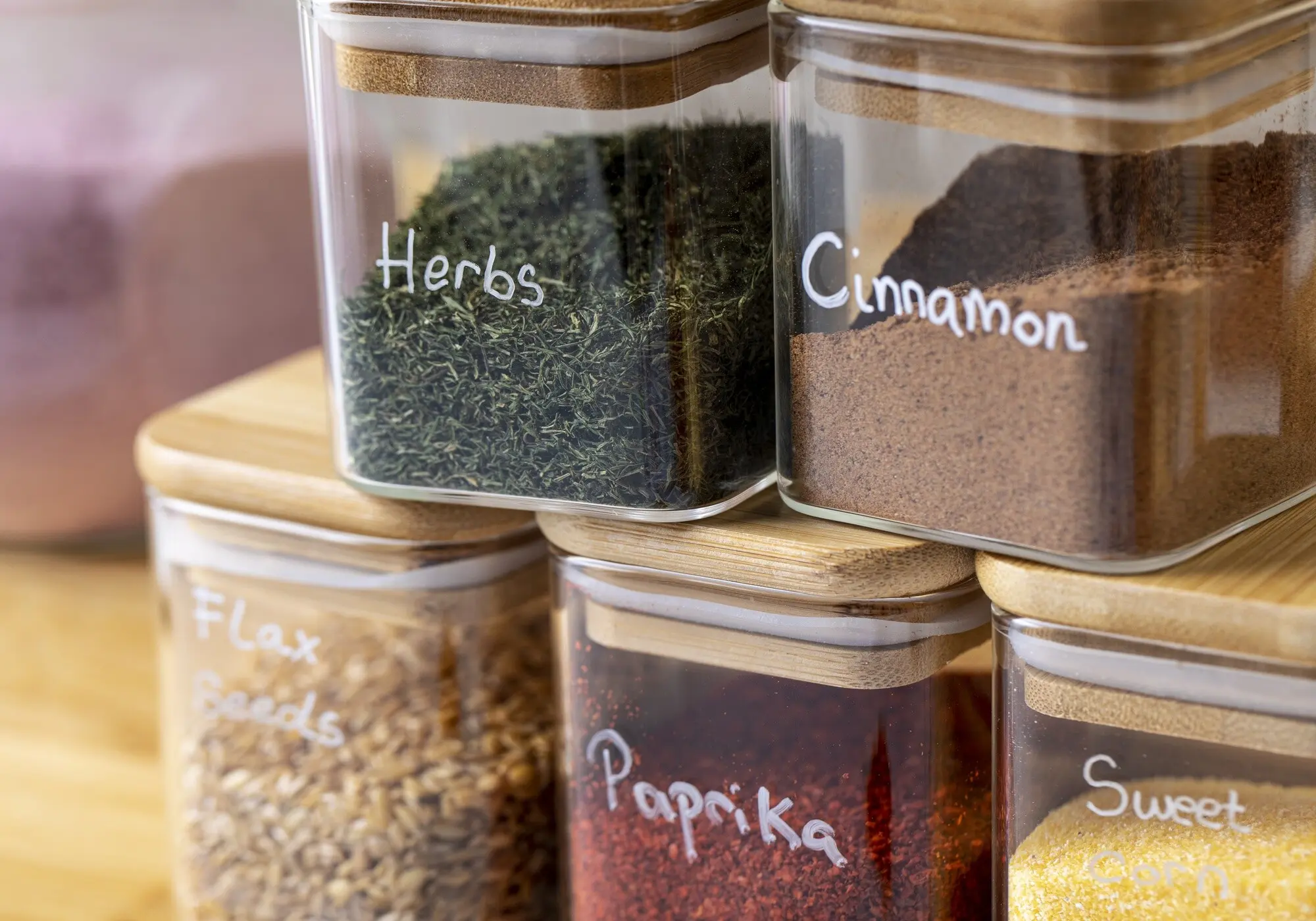
Seasonal flexibility thrives on smart substitutions, memorable sauces, and playful textures. If tomatoes fade, roasted peppers step in; when berries vanish, citrus sings. Keep a few ratio-based dressings in your head and a crunch strategy ready. Acidity brightens, heat awakens, herbs bridge seasons. Build plates around contrasts—creamy with crisp, sweet with bitter—so whatever’s fresh still tastes layered and complete. Flavor confidence invites creativity, helping you love what the season gives without missing anything.
Think in families: swap spinach for chard, kale for cabbage, peaches for plums, zucchini for eggplant, or cauliflower for broccoli. Choose by texture and cooking time more than name. If a recipe leans juicy and bright, find a cousin with similar moisture and sweetness. Keep colors and nutrition in mind, but trust flavor first. Soon you’ll glance at the produce bin, pick a stand-in, and keep momentum without extra shopping or last-minute stress.
Anchor your meals with a few reliable formulas: three parts oil to one part acid plus salt, a touch of sweetness, and herbs; tahini, lemon, garlic, water; miso, rice vinegar, sesame; yogurt, lime, cilantro; peanut, soy, chili. Mix once, use twice—marinade today, dressing tomorrow. Store in small jars for quick finishing. These familiar flavors knit seasonal produce into coherent meals, so you cook less complicated food that somehow tastes more complete and intentional.
Layer crunch, creaminess, and chew. Toasted seeds, crispy chickpeas, and garlicky breadcrumbs transform soft squash or silky soups. Add juicy elements—citrus segments, ripe tomatoes—where bitterness needs balance. A drizzle of chili oil or herby butter creates contrast without clutter. When textures play together, simpler ingredients feel special. This approach rescues leftovers too, since a fresh topper revives yesterday’s roast vegetables into something lively, making planned repeats feel exciting rather than obligatory or dull.

Routines, Notes, and Community

Consistency turns seasonal intentions into everyday ease. A tiny planning ritual, a shared family prep night, and a running list of hits keep momentum. Photograph market finds, jot what worked, and mark peak weeks on a calendar. Ask kids to choose a color for the week’s produce and help wash. Share your successes and flops with friends. Tell us what you’re trying, subscribe for tips, and let this become a supportive, delicious habit loop.

A Five-Minute Seasonal Planning Ritual

On Friday, check market notes, weather, and store flyers; pick two anchor produce items and three flexible meals. Saturday, shop early for selection or late for bargains. Sunday, wash, chop, roast, and portion briefly. Keep a simple calendar noting prices, ripeness, and winners. Over time, patterns appear—strawberries whisper in May, squash bellows in October—and planning shrinks to minutes, freeing energy for cooking, resting, and actually enjoying what you brought home.

Batch Nights Everyone Looks Forward To

Turn prep into a small event with music, shared tasks, and predictable rewards. Kids can pluck herb leaves, someone labels containers, another portion-cooks grains. Rotate roles so no one burns out. End with a quick family tasting—two dips, roasted veg, a fresh dressing—then pack tomorrow’s lunches. This rhythm builds confidence, trims takeout, and creates a calm baseline for messy weeks, proving that a little structure can feel surprisingly warm, flexible, and fun.

Share, Learn, and Keep In Touch

Tell us your favorite seasonal swap, the vendor who taught you a secret, or the sauce you can make with eyes closed. Comment with a photo of this week’s market win, subscribe for quick checklists, and vote in our monthly poll. We’ll feature reader menus and practical fixes, celebrating real kitchens. Your voice helps others try one new habit, and together we make seasonal cooking approachable, joyful, and genuinely sustainable all year long.